Welding Processes
SMAW, MIG, MAG, TIG, Flux-Cored and Submerged Arc explained step by step.
🔥IntermediateWelding ProcessesWelding Process Selection Guide — Which Process to Use and WhyComplete guide to fusion welding process selection: SMAW 111, MIG/MAG 131/135, FCAW 136, GTAW/TIG 141 and SAW 121. Compatible materials, thickness ranges, typical industries and selection criteria.🔥IntermediateWelding ProcessesPreheat and Interpass TemperatureTechnical guide to preheat and interpass temperature: CET calculation method, diffusible hydrogen, EN 1011-2 requirements and practical control.🔥AdvancedWelding ProcessesSynergic Welding Machine Setup — Complete Parameter GuideTechnical guide to synergic MIG/MAG welding machine setup: synergic curves, Arc Length, Pre/Post Flow, Soft Start, Burn Back, Inductance and transfer modes.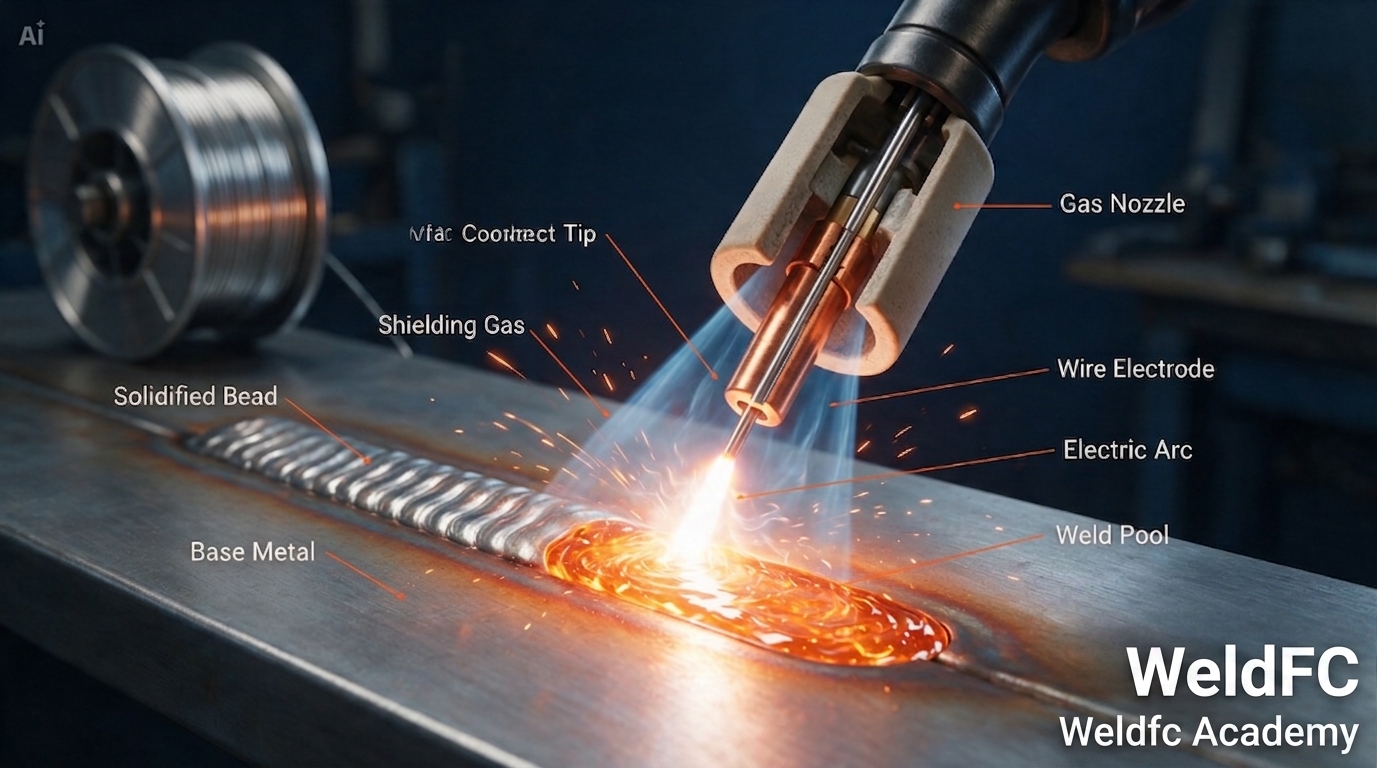 BeginnerWelding ProcessesMIG/MAG Welding Process (131/135) — Complete GuidePrinciple, parameters, shielding gases, wires, transfer modes and applications of MIG/MAG (GMAW) welding.
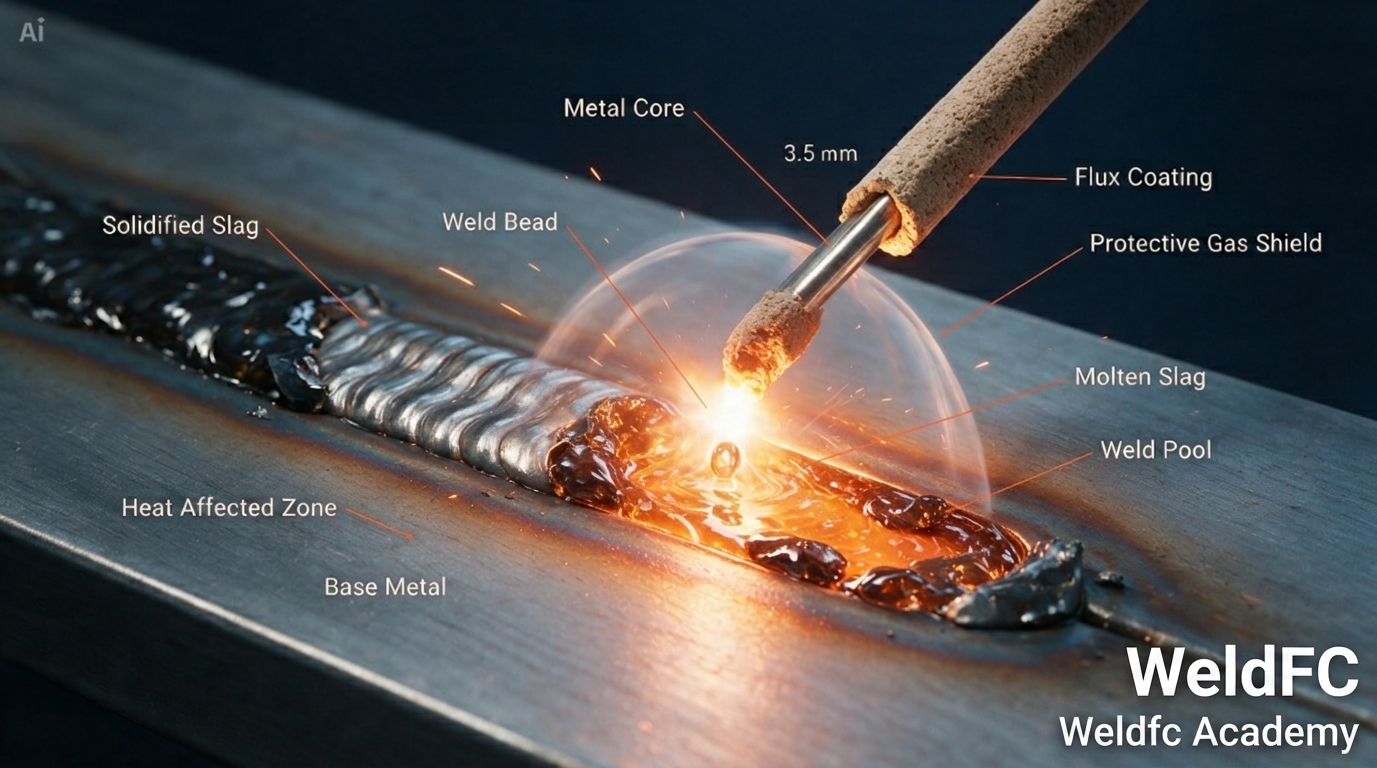 BeginnerWelding ProcessesSMAW / MMA Process (111) — Stick Welding Complete GuideShielded Metal Arc Welding (SMAW/MMA/111): principle, equipment, electrode types, parameters and applications.
 IntermediateWelding ProcessesMetal Transfer in MIG/MAG: Short-Circuit, Globular and SprayAnalysis of the three metal transfer modes in the MIG/MAG process, with voltage, current parameters and practical applications per EN ISO 4063.
 IntermediateWelding ProcessesMultipass Welding: Bead Sequence, Interpass Temperature and Distortion ControlHow to plan the bead sequence in a multipass deposit, control interpass temperature and minimise distortion. Based on MIG/MAG and IWE/EWE principles.
 BeginnerWelding ProcessesShielding Gases in MIG/MAG: Argon, CO₂ and Mixtures — How to ChooseShielding gas affects transfer mode, penetration, spatter and bead appearance. Practical guide to choosing between pure argon, CO₂ and Ar/CO₂ and Ar/O₂ mixtures.
 BeginnerWelding ProcessesTIG Process (141): Fundamentals and ApplicationsComplete guide to the TIG process (GTAW, EN ISO 4063 process 141): equipment, current type, tungsten electrodes, shielding gases and typical applications on stainless steel and aluminium.
 BeginnerWelding ProcessesMIG/MAG Process (135/136): Fundamentals and ParametersComplete guide to the MIG/MAG process (EN ISO 4063 processes 135 and 136): metal transfer modes, welding parameters, shielding gases and consumables per EN standards.
 BeginnerWelding ProcessesWelding Consumables: Classification According to EN StandardsHow to read and interpret EN classifications for the main welding consumables: covered electrodes (EN ISO 2560), MIG/MAG wires (EN ISO 14341) and TIG rods (EN ISO 636).
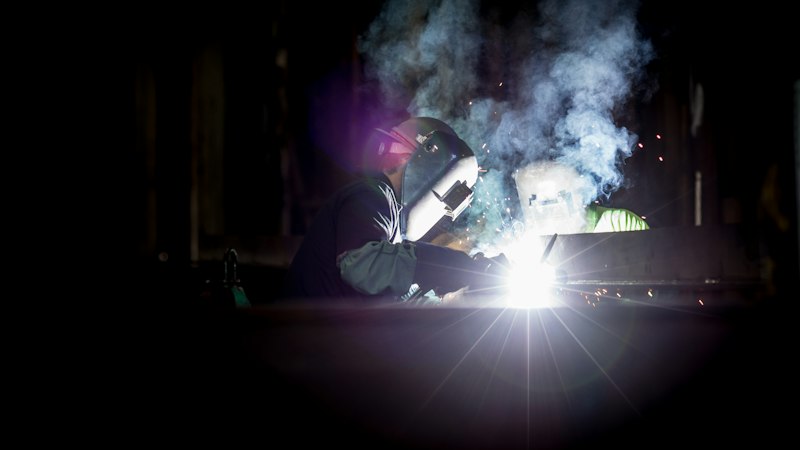 IntermediateWelding ProcessesTIG/GTAW Welding Process (141) — Complete GuideTIG welding (GTAW / 141) complete guide: principle, equipment, tungsten electrodes, shielding gases, DC/AC current, parameters and applications.
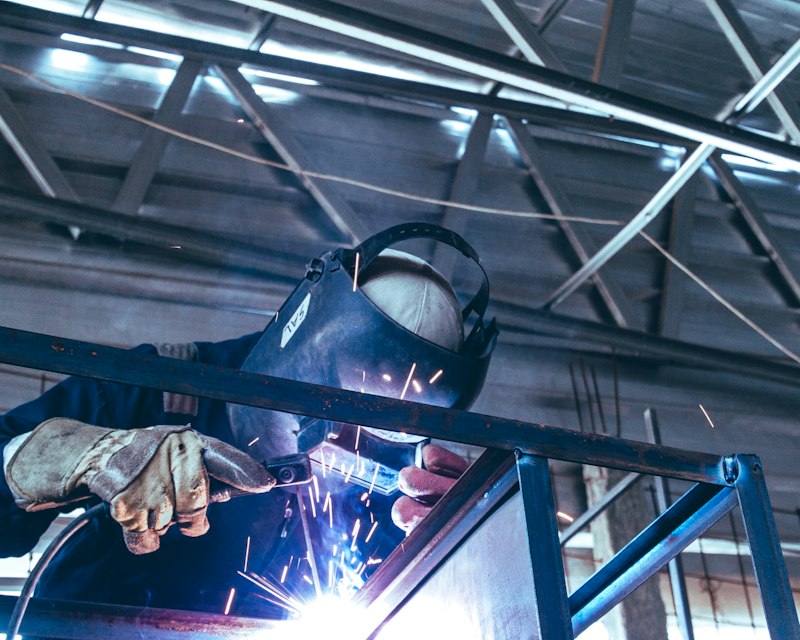 IntermediateWelding ProcessesFCAW / Flux-Cored Wire Process (136) — Complete GuideFlux-cored arc welding (FCAW / 136): principle, wire types, EN ISO 17632 and AWS A5.20 classification, advantages and applications.
 AdvancedWelding ProcessesSubmerged Arc Welding (SAW/121) — Complete Technical GuideSubmerged arc welding SAW/121: principle, flux classification (ISO 14174), wire-flux combinations (ISO 14171), parameters by thickness, multi-wire variants, industrial applications and typical defects.
BeginnerWelding ProcessesMIG/MAG Welding Process (131/135) — Complete GuidePrinciple, parameters, shielding gases, wires, transfer modes and applications of MIG/MAG (GMAW) welding.BeginnerWelding ProcessesSMAW / MMA Process (111) — Stick Welding Complete GuideShielded Metal Arc Welding (SMAW/MMA/111): principle, equipment, electrode types, parameters and applications.IntermediateWelding ProcessesMetal Transfer in MIG/MAG: Short-Circuit, Globular and SprayAnalysis of the three metal transfer modes in the MIG/MAG process, with voltage, current parameters and practical applications per EN ISO 4063.IntermediateWelding ProcessesMultipass Welding: Bead Sequence, Interpass Temperature and Distortion ControlHow to plan the bead sequence in a multipass deposit, control interpass temperature and minimise distortion. Based on MIG/MAG and IWE/EWE principles.BeginnerWelding ProcessesShielding Gases in MIG/MAG: Argon, CO₂ and Mixtures — How to ChooseShielding gas affects transfer mode, penetration, spatter and bead appearance. Practical guide to choosing between pure argon, CO₂ and Ar/CO₂ and Ar/O₂ mixtures.BeginnerWelding ProcessesTIG Process (141): Fundamentals and ApplicationsComplete guide to the TIG process (GTAW, EN ISO 4063 process 141): equipment, current type, tungsten electrodes, shielding gases and typical applications on stainless steel and aluminium.BeginnerWelding ProcessesMIG/MAG Process (135/136): Fundamentals and ParametersComplete guide to the MIG/MAG process (EN ISO 4063 processes 135 and 136): metal transfer modes, welding parameters, shielding gases and consumables per EN standards.BeginnerWelding ProcessesWelding Consumables: Classification According to EN StandardsHow to read and interpret EN classifications for the main welding consumables: covered electrodes (EN ISO 2560), MIG/MAG wires (EN ISO 14341) and TIG rods (EN ISO 636).IntermediateWelding ProcessesTIG/GTAW Welding Process (141) — Complete GuideTIG welding (GTAW / 141) complete guide: principle, equipment, tungsten electrodes, shielding gases, DC/AC current, parameters and applications.IntermediateWelding ProcessesFCAW / Flux-Cored Wire Process (136) — Complete GuideFlux-cored arc welding (FCAW / 136): principle, wire types, EN ISO 17632 and AWS A5.20 classification, advantages and applications.AdvancedWelding ProcessesSubmerged Arc Welding (SAW/121) — Complete Technical GuideSubmerged arc welding SAW/121: principle, flux classification (ISO 14174), wire-flux combinations (ISO 14171), parameters by thickness, multi-wire variants, industrial applications and typical defects.